News Category: News

  • Delivering Energy Security at Speed: A Global Perspective on Flexible LNG Infrastructure

    Delivering Energy Security at Speed: A Global Perspective on Flexible LNG Infrastructure

    As global LNG supply continues to expand, driven by growth in the United States, and other key producing regions, the challenge facing many countries is no longer access to gas, but how quickly it can be imported, regasified, and integrated into domestic energy systems.

    At a recent industry panel, Energos Infrastructure CEO Arthur Regan highlighted how this shift is redefining energy security, and why flexible, rapidly deployable infrastructure is becoming central to national energy strategies.

    A Structural Shift in Energy Security

    Geopolitical disruption and evolving demand patterns have accelerated a move away from single-source dependency toward diversified, resilient supply frameworks. Governments are increasingly prioritizing solutions that can be deployed quickly, scaled efficiently, and adapted to changing market conditions.

    “The world will have more LNG supply. The question is how countries regasify it,” Regan noted. “Onshore terminals can take years and require significant capital. Floating solutions offer a faster, more flexible alternative.”

    Today, approximately 55 floating storage and regasification units (FSRUs) are in operation globally, a figure expected to grow significantly over the coming decade as more countries seek to access LNG without long lead times or major upfront investment.

    Unlocking Speed, Flexibility, and Access

    FSRUs are uniquely positioned to bridge the gap between global LNG supply and local energy demand. Their ability to be deployed in months rather than years allows countries to respond rapidly to supply disruptions, demand growth, or structural changes in their energy mix.

    For coastal nations in particular, floating infrastructure provides immediate access to global LNG markets, unlocking energy supply without the need for permanent onshore facilities.

    “Countries are no longer willing to rely on a single source of supply,” Regan said. “FSRUs make LNG accessible to any coastal market, providing both flexibility and security.”

    Egypt: A Case Study in Rapid Deployment

    The role of floating LNG infrastructure in enabling energy security at speed is clearly illustrated by Energos’ recent work in Egypt.

    Faced with a widening gap between domestic gas production and demand, the Egyptian government moved quickly to secure additional supply. Energos responded by deploying four FSRUs within an unprecedented timeframe.

    “In just three months, we deployed and commissioned four FSRUs, delivering approximately 2.7 billion standard cubic feet per day,” Regan explained. “That now represents around 35% of Egypt’s natural gas supply.”

    The scale and speed of execution highlight the practical advantages of floating infrastructure in real-world conditions, delivering immediate impact at national scale.

    Partnership as a Critical Enabler

    While technical capability is essential, successful delivery at this pace also depends on alignment between government and industry.

    “This wasn’t a commercial trade, it was mission-critical,” Regan said. “The level of cooperation was unprecedented, with a shared focus on delivering energy security for the country.”

    This model of close collaboration is increasingly relevant as governments seek to implement large-scale energy solutions under tight timelines.

    Scaling for Global Demand

    Energos currently operates nine FSRUs globally, representing a significant share of available capacity, and sees strong growth potential as demand for flexible regasification infrastructure increases.

    As LNG supply continues to rise, the need for efficient, scalable import solutions will become even more pronounced, particularly in markets seeking to enhance energy security while maintaining flexibility for the future.

    Looking Ahead

    The global energy landscape is evolving rapidly, with speed, resilience, and adaptability becoming defining characteristics of effective infrastructure.

    Floating LNG solutions offer a clear pathway forward, enabling countries to respond to immediate energy needs while supporting longer-term strategic planning.

    As Regan concluded:
    “This is not just about infrastructure, it’s about delivering energy security when it matters most.”
  • FSRU Fleet Availability and Update

    FSRU Fleet Availability and Update

    As global LNG production continues to expand and countries evaluate LNG import solutions to strengthen energy security, Energos Infrastructure is positioned to deliver flexible and economical FSRU-based infrastructure.
    Energos Infrastructure currently owns and operates nine Floating Storage and Regasification Units (FSRUs), two Floating Storage Units (FSUs), and two LNG carriers (LNGCs). In addition, Energos Infrastructure is actively advancing LNGC conversion projects to deliver timely and economically efficient, full-scale FSRU capacity.
    Energos Control Open Dates:
    Vessel Name
    Open/Available FSRU Date
    Energos Igloo
    September 2027
    Nusantara Regas Satu
    December 2027 (subject to extension)
    Energos Freeze
    September 2028
    Energos Winter
    August 2030
    Energos Force
    April 2033
    Energos Power
    April 2033
    Energos Eskimo
    July 2035
    Energos Celsius
    August 2042
    Energos Nanook
    December 2044
     
    Targeted FSRU Conversion Availability (Subject to Contract)
    Energos is actively progressing LNG carrier conversion pathways to deliver additional full-scale FSRU capacity.
    The following indicative delivery windows are achievable subject to contract execution and project sanction:
    • 2Q 2028
    • 3Q 2028
    • 4Q 2028
    These timelines reflect Energos’ experience in LNGC-to-FSRU conversion and established technical capability to execute projects efficiently and within defined schedules.
    Energos is active and experienced in the process of FSRU conversions from standard LNG carriers. We welcome confidential discussions to structure an engineering and commercial solution aligned with the timing and capacity requirements of your LNG import program.
  • Energos Infrastructure and EGAS Celebrate Landmark LNG Milestone at the Grand Egyptian Museum

    Energos Infrastructure and EGAS Celebrate Landmark LNG Milestone at the Grand Egyptian Museum

    Press Release: 19 November 2025 – Cairo, Egypt

    Energos Infrastructure and EGAS Celebrate Landmark LNG Milestone at the Grand Egyptian Museum

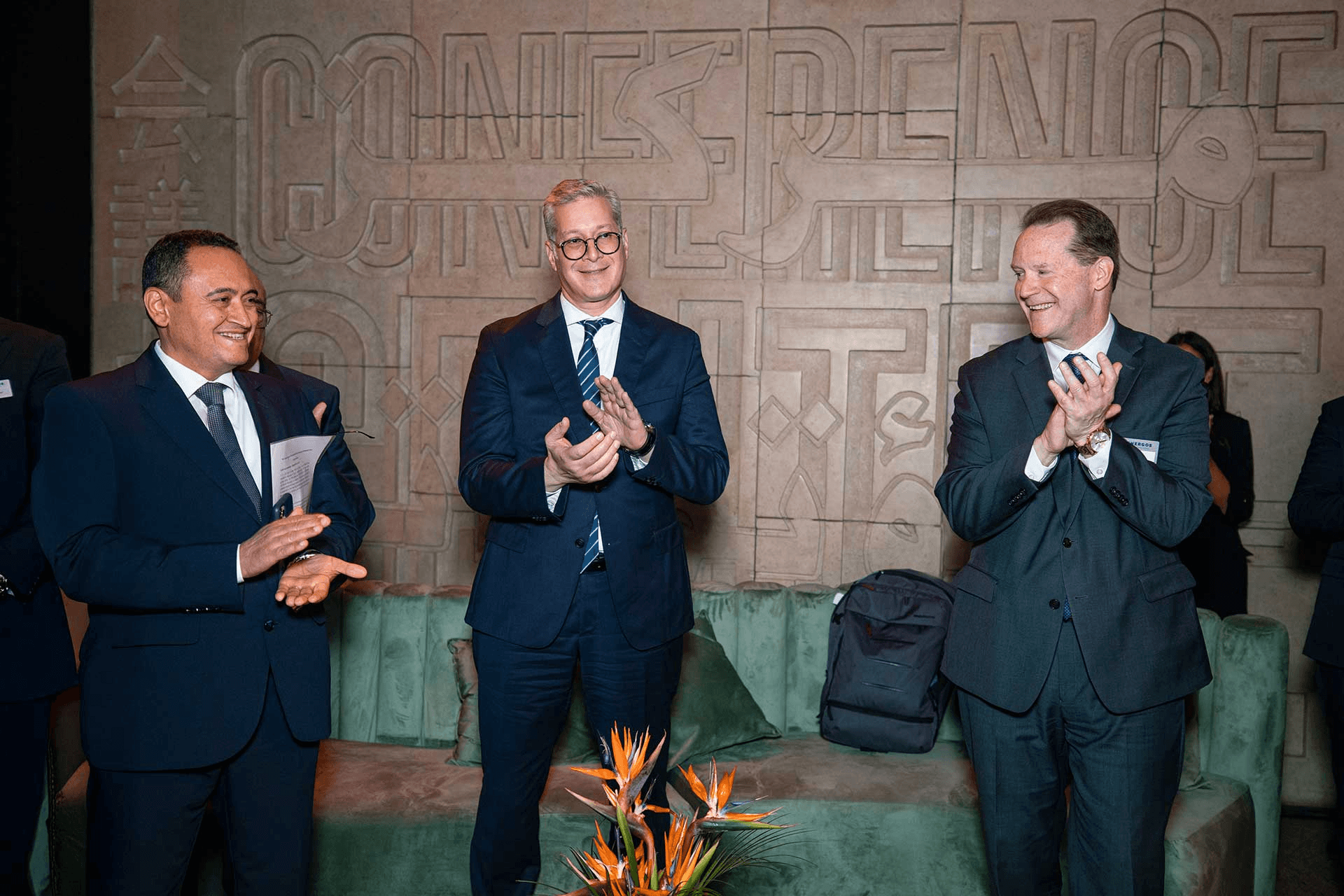
    Energos Infrastructure, together with its partner the Egyptian Natural Gas Holding Company (EGAS) and under the patronage of H.E. Karim Badawi, Minister of Petroleum and Mineral Resources, hosted a high-level reception at the newly opened Grand Egyptian Museum in Cairo. The event celebrated the continued success of Egypt’s LNG sector and Energos’s pivotal role in strengthening the nation’s energy security.

    The reception brought together more than 100 senior leaders from international energy companies across the globe, marking one of the first major industry gatherings held at the iconic museum following its public opening.

    In his keynote address, H.E. Karim Badawi highlighted Egypt’s strategic vision and commitment to expanding energy resilience, asserting that:

    “Egypt is firmly committed to enhancing its position as a regional energy hub, leveraging a resilient infrastructure and key strategic partnerships that have successfully ensured stable energy supply, effectively backing domestic consumption and the evolving requirements of industrial and developmental initiatives.”

    The Minister added that “the FSRUs brought and operated to receive imported LNG and reinject it into the national grid will not only contribute to meeting local consumption demands, but also support value-added projects, and Egypt’s role as a regional hub for energy trade.”

    During her remarks, H.E. Ambassador Herro Mustafa Garg, United States Ambassador to Egypt, underscored the importance of U.S.–Egypt energy collaboration and the strength of public-private partnerships to deliver affordable natural gas to the Egyptian people: 

    “Energos, EGAS, and the Ministry of Petroleum are demonstrating what can be achieved when our governments and private sectors come together with a shared vision—one grounded in innovation, reliability, and mutual benefit to producers and consumers.  Under President Trump’s leadership, the United States is advancing global energy cooperation, expanding American energy exports, and strengthening partnerships with key allies like Egypt.”  

    Energos Infrastructure CEO Arthur Regan emphasized the scale and pace of the joint achievements with EGAS, noting:

    “At Energos, we have worked to match Egypt’s aspirations with rapid, technically rigorous delivery of what is an Engineering solution.

     The LNG value chain is complex, but in just three months – together with EGAS – as we deployed four FSRUs, we partnered on implementing the solution which now provides roughly 35% of Egypt’s natural gas demand – a remarkable achievement by any global standard.

    This is what partnership looks like. This is what delivery of solutions looks like for Energos.”

    For his part, Eng. Mahmoud Abdel Hamid, Executive Managing Director of EGAS, affirmed that “the achievements made over the past decades are the result of a clear vision and accumulated efforts that have made EGAS a fundamental pillar of Egypt’s natural gas system.”

    Abdel Hamid added that “the fruitful cooperation between EGAS and its international partners – foremost among them Energos – has played a pivotal role in boosting operational efficiency, opening wide prospects for investment, and reinforcing Egypt’s position as a country capable of securing its energy needs and contributing effectively to regional energy security”.

    U.S. LNG Provides 90% of Egypt’s Imports in 2025

    In 2025, the United States has played an exceptional role in supporting Egypt’s LNG supply. According to data from Kpler, 90% of all LNG cargoes delivered into Egypt so far this year – 93 out of 103 shipments – originated from the U.S.

    Energos Infrastructure’s FSRUs have been central to this supply chain: since July alone, the company’s vessels have received 48 cargoes, 44 of which were U.S.-sourced. This sustained flow of American LNG has been instrumental in ensuring continuous regasification capacity and strengthening Egypt’s overall energy stability. *

    *Source: Kpler, Brussels-based global energy and commodity data provider.

     Energos Infrastructure is a global maritime infrastructure company owned by funds managed by Apollo (NYSE: APO). Energos owns and operates 13 LNG infrastructure vessels, including 9 Floating Storage and Regasification Units, 2 Floating Storage Units, and 2 LNG carriers, providing LNG delivery, storage and regasification services to a diverse customer base.

  • Energos is pleased to announce the ISO 9001 certification of our Quality Management System

    Energos is pleased to announce the ISO 9001 certification of our Quality Management System

    Energos is pleased to announce the ISO 9001 certification of our Quality Management System by SCB – Systems Certification Body, a well-recognized accreditation society. This certification demonstrates the strength of the Energos platform and our commitment to being the preferred supplier of floating LNG infrastructure and services, continually meeting our customers’ and investors’ expectations.

    Energos’ Chief Operating Officer, Brian Bartlett, said “Since Energos’ founding almost three years ago, our leadership has established a strong operating platform to ensure safe and reliable operations of our existing fleet, while also building the necessary commercial and technical capabilities to support profitable new business development and fleet expansion. This certification of our quality management system is recognition of the strength and discipline by which our company has been built, and provides assurance to all stakeholders in the reliability of Energos as a preferred business partner.”


  • Arthur Regan Reviews FSRU Upgrades in Spain Ahead of Latin America Assignment

    Arthur Regan Reviews FSRU Upgrades in Spain Ahead of Latin America Assignment

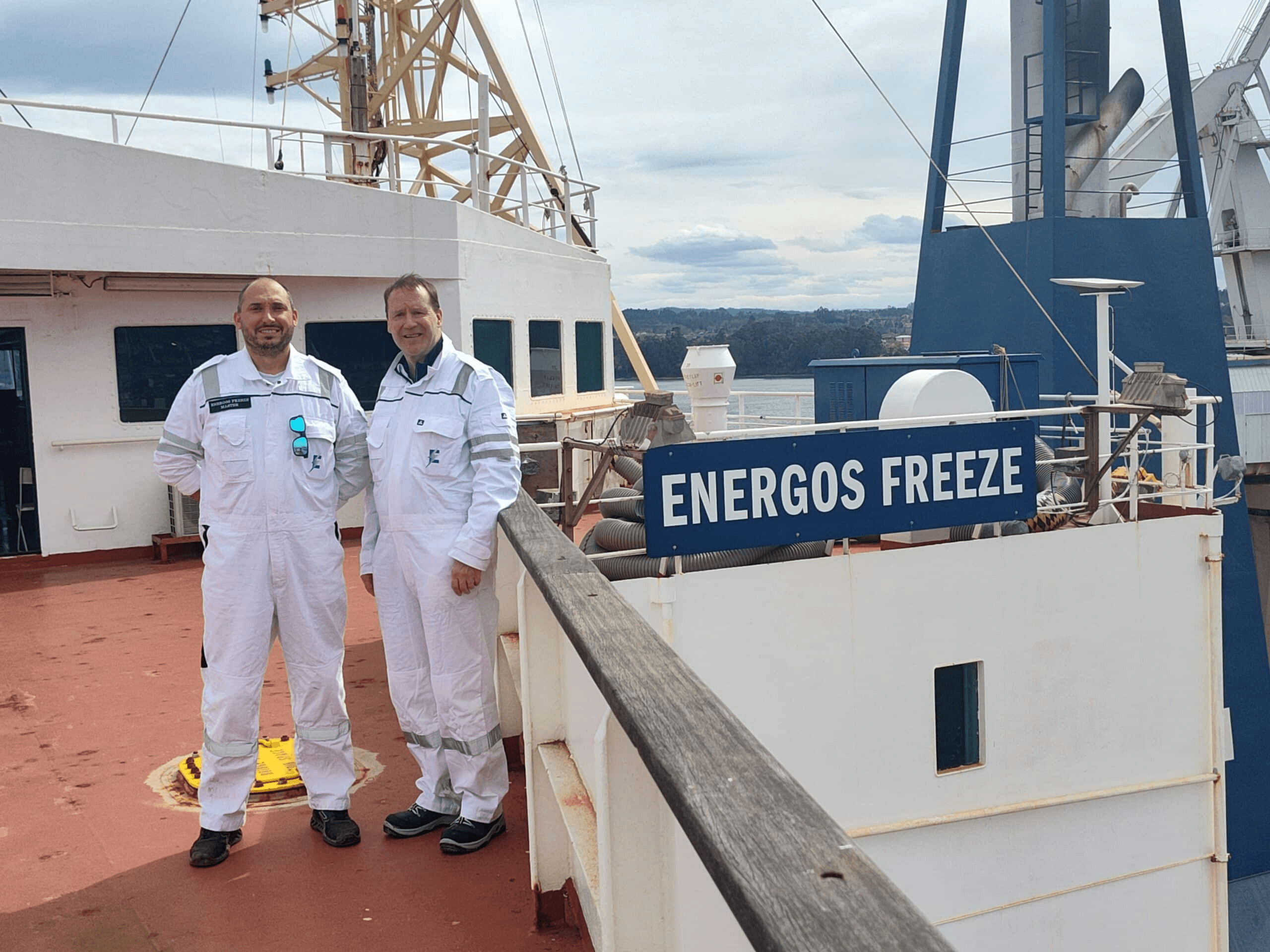
    Energos CEO Arthur Regan was on board the Energos Freeze at Ferrol, Spain this week. He was with the FSRU’s Captain Daniel Panjol-Tuflija, and completing a review of regasification system upgrade works being completed for the vessels upcoming contract assignment as an FSRU working in Latin America commencing summer 2025. 

  • Energos Celsius and Energos Princess Meet Up for a Ship-to-Ship Transfer in Barcarena

    Energos Celsius and Energos Princess Meet Up for a Ship-to-Ship Transfer in Barcarena

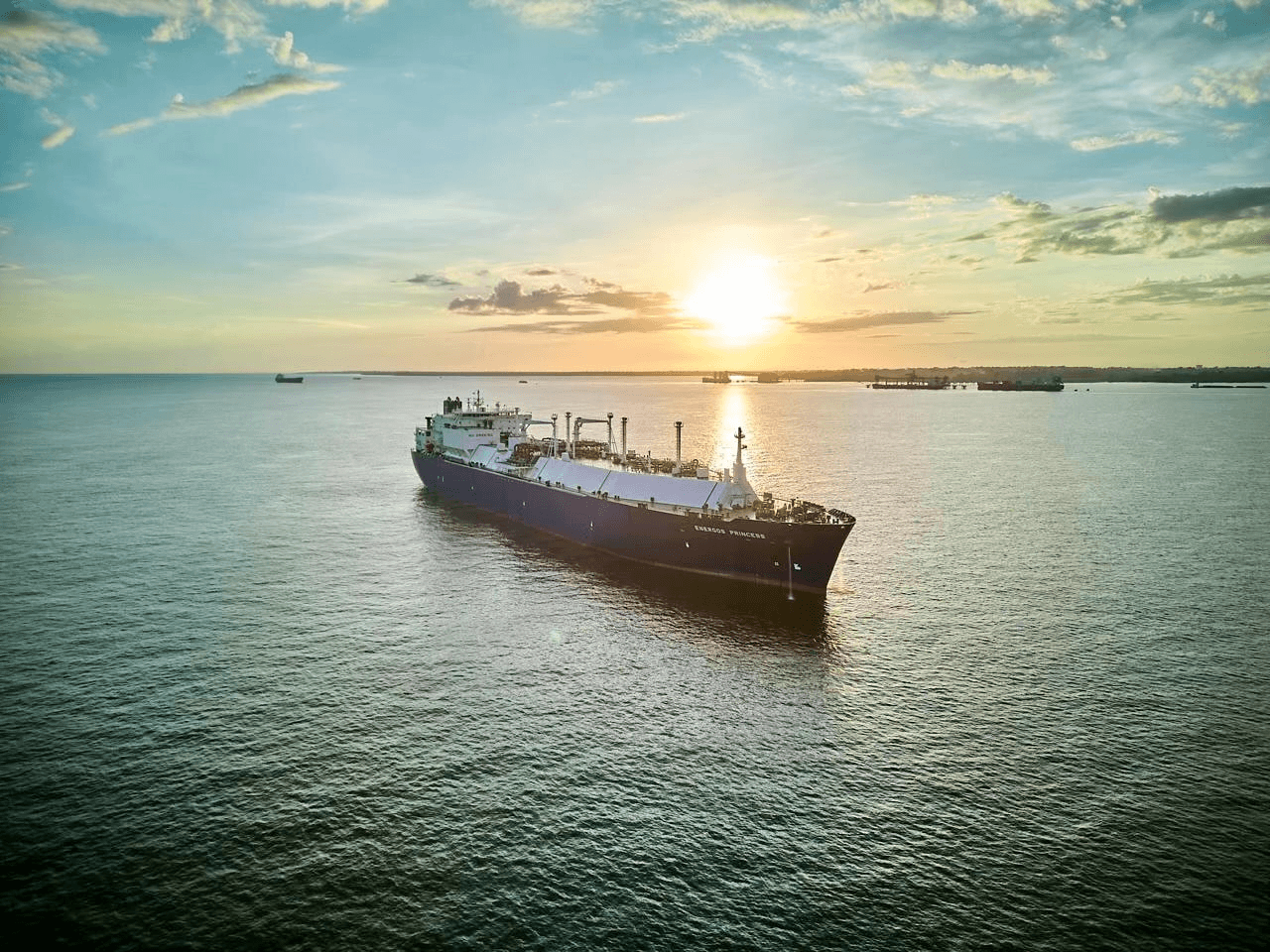
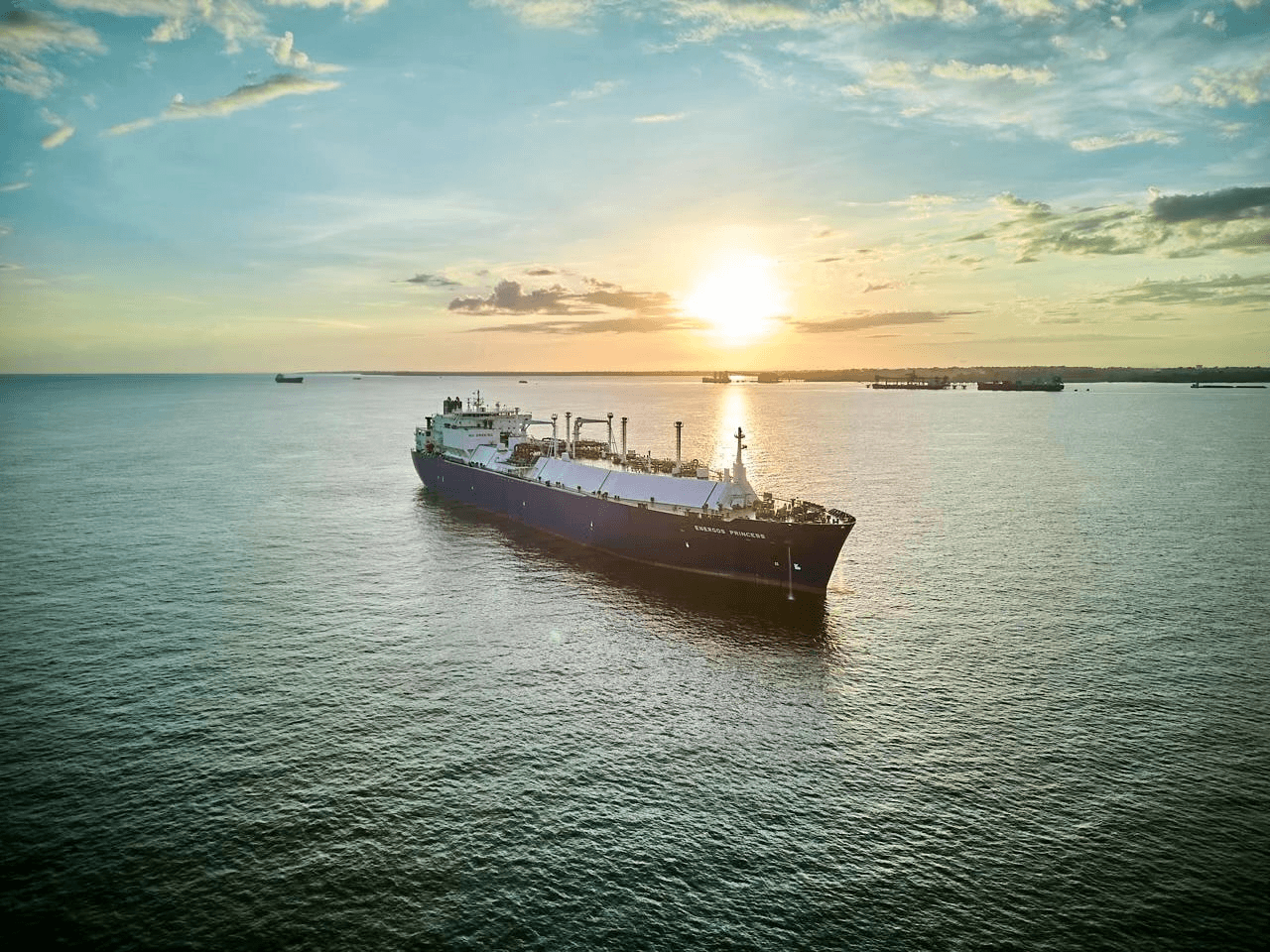
    In a milestone meetup, the Celsius and the Princess completed their first ever ship-to-ship transfer at Barcarena.

  • Celebrating a Milestone – 400th Cargo

    Celebrating a Milestone – 400th Cargo

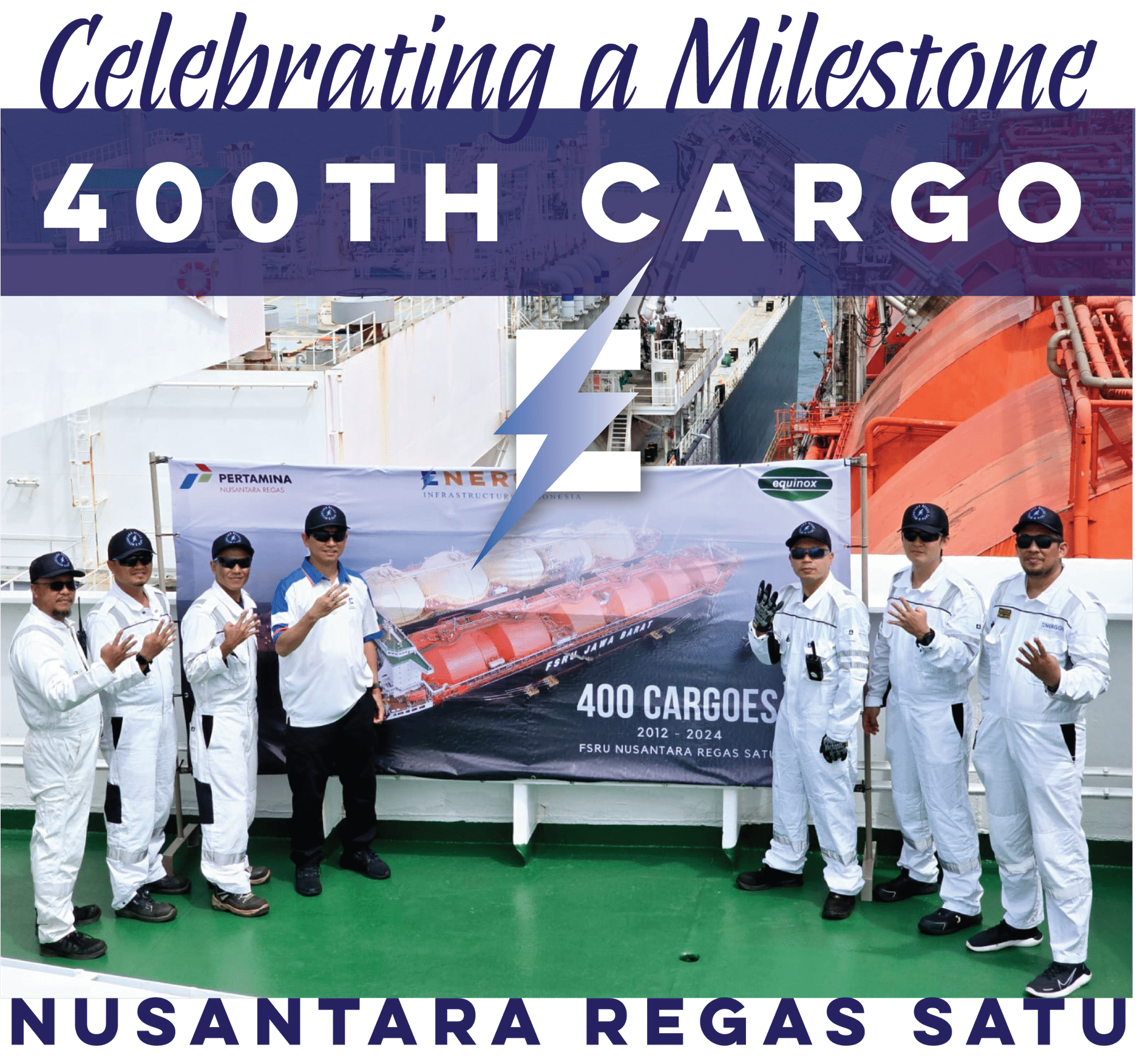
    On December 11, 2024, PT Energos Indonesia celebrated its 400th cargo on the FSRU Nusantara Regas Satu. Since 2012, a total volume of 21 million tonnes of LNG has been regasified on the FSRU. This represents a significant milestone and demonstrates Nusantara Regas Satu’s reliability as a competitive supplier of regasified LNG to the country of Indonesia.
     
    This asset is a significant contributor to the supply of natural gas to Indonesia’s largest island, Java, and capital, Jakarta. Congratulations to the Nusantara Regas Satu crew as they commemorate this landmark occasion!